
Comparing Pool Cleaning Techniques: Traditional vs. Eco-Friendly Approaches


Introduction
Maintaining a clean pool is essential for both aesthetics and health. With various cleaning techniques available, it can be challenging to decide which approach is best for your needs. This post explores the differences between traditional and eco-friendly pool cleaning methods to help you make an informed decision.

Traditional Pool Cleaning Techniques
Chemical Treatments
Traditional pool cleaning often relies heavily on chemical treatments to maintain water clarity and hygiene. Chlorine is the most common chemical used, effectively eliminating bacteria and algae. However, it can cause skin irritation and has a distinct odor that some find unpleasant.
Manual Cleaning
Manual cleaning is another traditional method involving skimmers, brushes, and vacuums. Pool owners or maintenance staff manually remove debris, scrub surfaces, and vacuum the pool floor. While effective, this method can be time-consuming and labor-intensive.
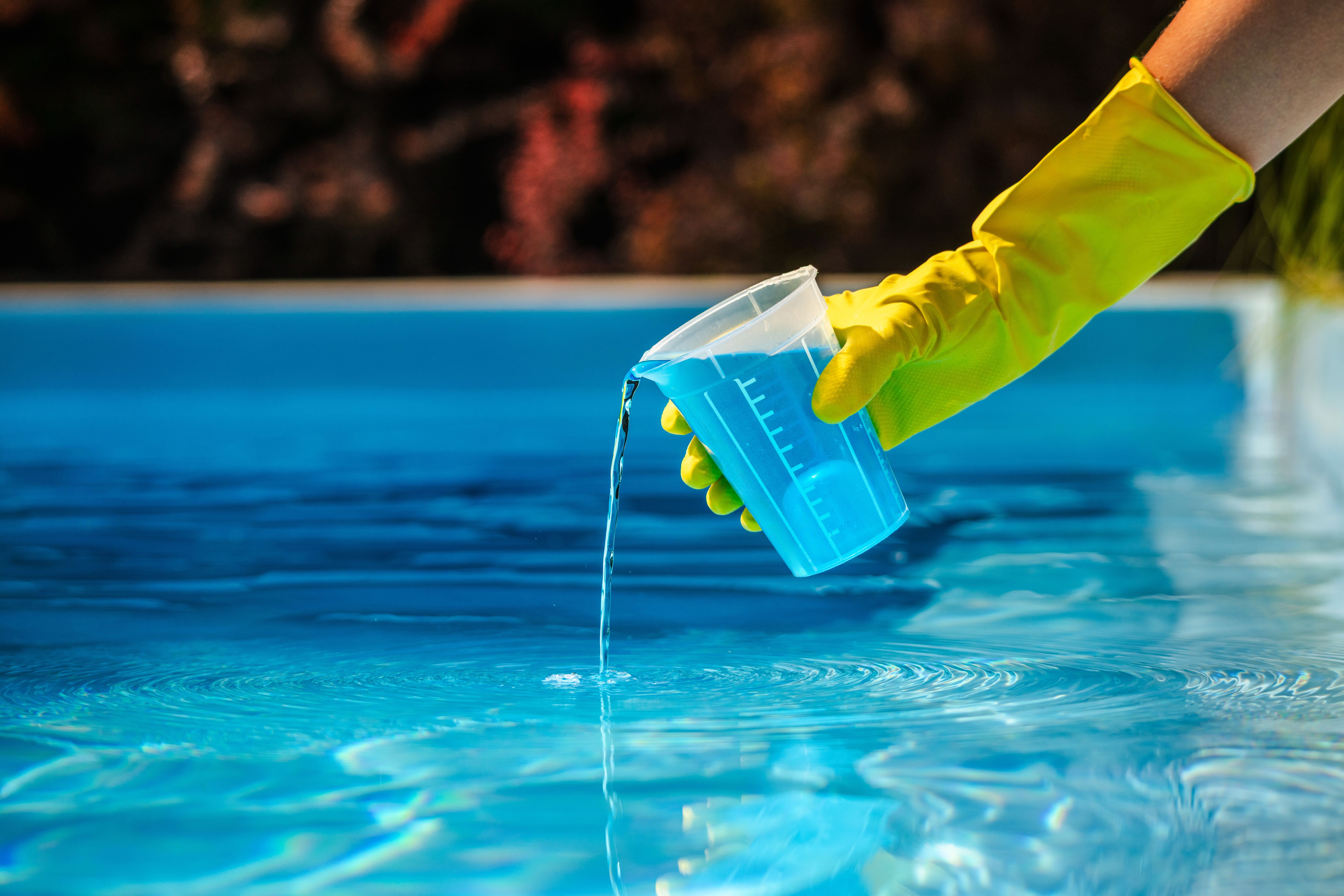
Eco-Friendly Pool Cleaning Techniques
Saltwater Systems
Saltwater systems are a popular eco-friendly alternative. These systems use salt to generate chlorine naturally, providing the same benefits without harsh chemical additives. This method is gentler on the skin and often more cost-effective in the long run.
Natural Pool Filtration
Natural filtration systems use plants and biological filters to clean the water. These systems mimic natural bodies of water, creating a balanced ecosystem that keeps your pool clean. While installation can be costly, ongoing maintenance is minimal, and the environmental impact is significantly reduced.

Comparing Costs and Maintenance
When comparing traditional and eco-friendly methods, it's important to consider both initial and ongoing costs. Traditional methods often have lower upfront costs but can be expensive over time due to chemical purchases and regular maintenance. Eco-friendly options may require a larger initial investment, but lower maintenance costs often balance this out.
Environmental Impact
The environmental impact is a significant factor when choosing a pool cleaning method. Traditional methods can contribute to chemical runoff and increased water usage. Eco-friendly approaches, however, focus on sustainability, reducing the environmental footprint of pool maintenance.
Conclusion
Choosing between traditional and eco-friendly pool cleaning methods depends on your priorities. Whether you prioritize cost, convenience, or environmental impact, understanding the differences allows you to make a decision that aligns with your values and lifestyle. Consider all factors and choose the method that best suits your needs.